
Kruger National Park
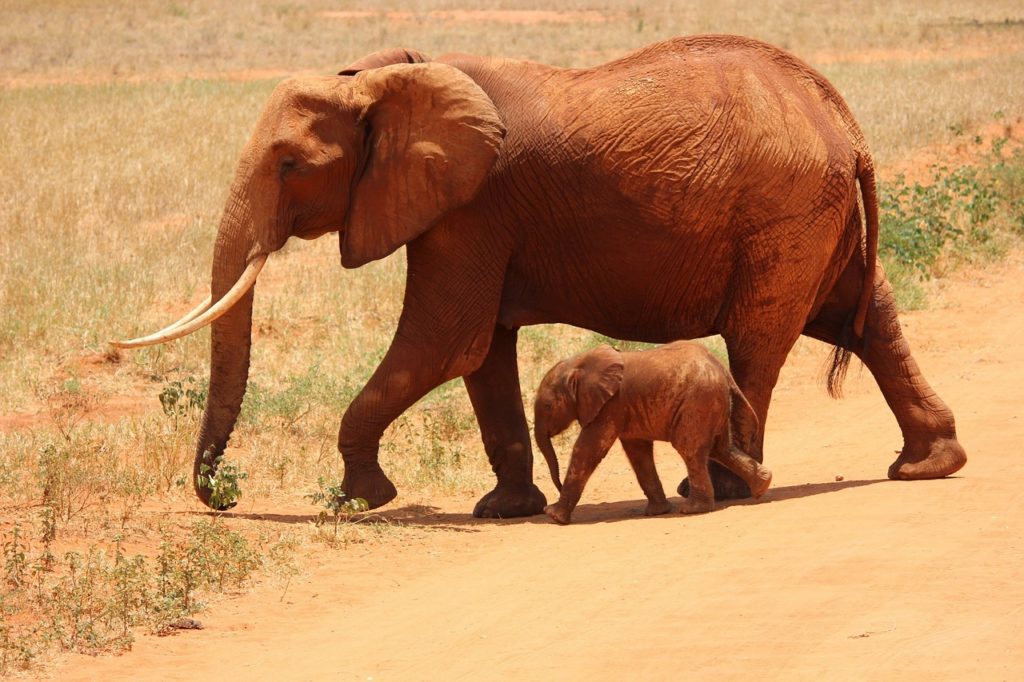
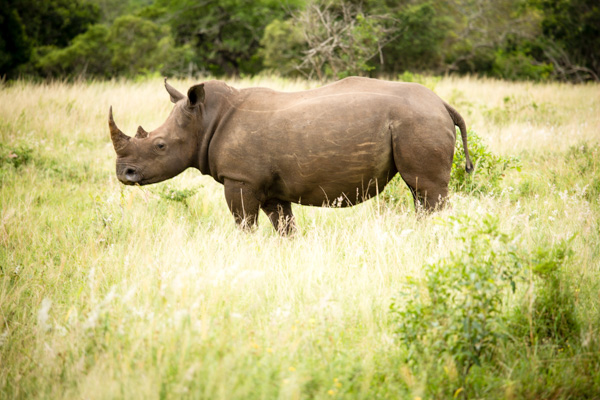
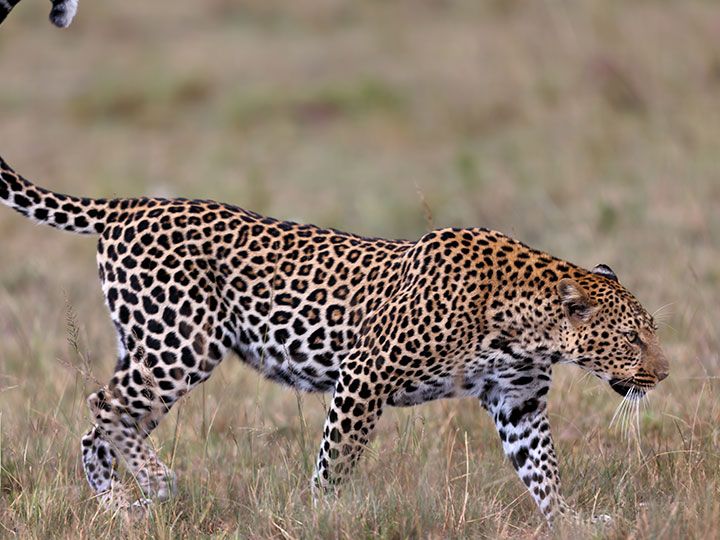
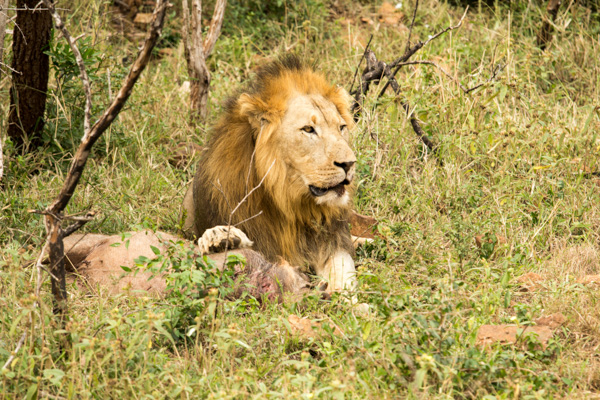
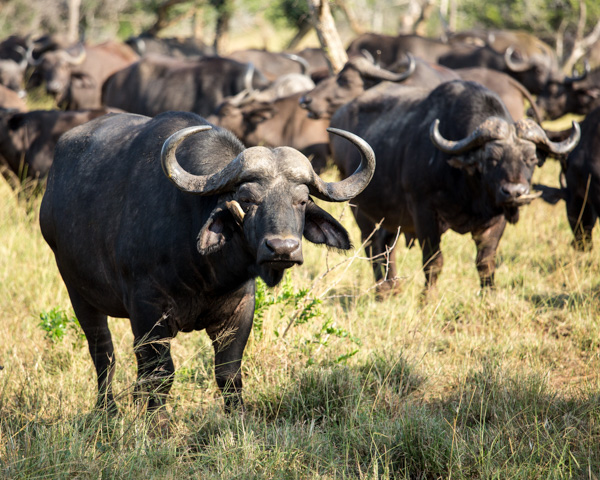
With an area of around 20,000 square kilometres, the Kruger National Park on South Africa’s north-eastern border is absolutely one of the largest and also the best-known national parks. With luck you can not only catch a glimpse of the Big Five here, but also discover countless bird species and track various mammal species. On a safari it’s eyes open, not only for the Big Five, but also for the numerous zebras, giraffes, baboons, vervet monkeys, antelopes and in some places even tortoises. Impalas are the most common, with a population in the national park estimated at around 130,000 animals. Buffalo, elephants and above all zebras are also common, although not to such an extreme degree as impalas. There are around 1,500 lions. In total there are 147 different mammal species and a substantial 114 reptile and more than 500 bird species.
International flights can be planned via the airport near Johannesburg (JNB). From there, domestic flights, depending on the start of the safari, lead to the airports of Skukuza, Phalaborwa, Hoedspruit and Kruger Mpumalanga (KMIA). There are also daily flight connections between Cape Town and the airports at Skukuza, Durban and Hoedspruit. From KMIA, safari participants are taken to Kruger National Park by a bus shuttle service.
The entrance fee to Kruger National Park is 331 rand per person per day, which converts to around 20.90 euros. Children under 12 pay 152 rand, which is about 9.60 euros.
Phalaborwa Gate
Recommended gate for the northern and central part of Kruger Park. Drive on the N1 towards Polokwane. 40 km before Polokwane turn right onto the R71 towards Tzaneen. After Tzaneen drive towards Phalaborwa and the gate. Approx. 6.5 hours driving time to the gate.
