
- All board types
- Room only OV
- At least breakfast F
- At least half board HP
- At least full board VP
- At least all inclusive AI
- All inclusive plus AI+
Rome, “the Eternal City”, is the capital of Italy and lies roughly in the middle of the country on the River Tiber, which flows into the Mediterranean. It is a city full of museums, squares and Roman buildings. In the heart of Rome lies the small state of “Vatican City”
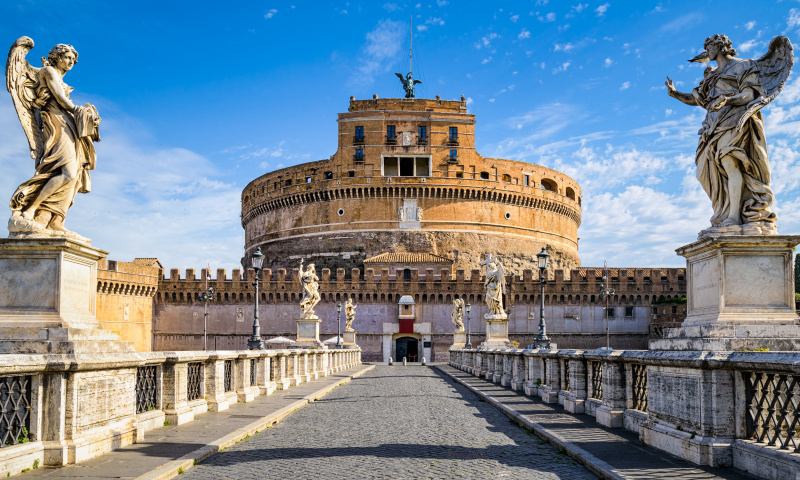
Castel Sant'Angelo
“Castel Sant´Angelo” was part of the Roman line of defence and also the place where the popes could hide, as it was connected to the Vatican by tunnels. It was originally the mausoleum of Emperor Hadrian
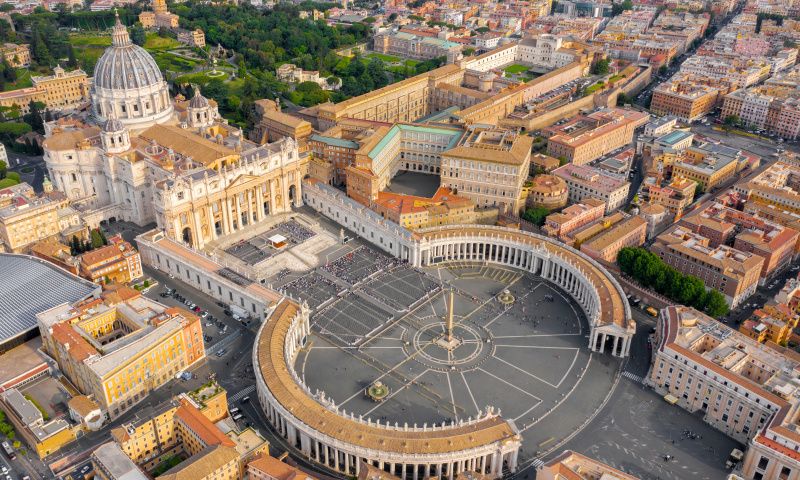
St. Peter's Basilica with St. Peter's Square
The great “Basilica di San Pietro” in the state of Vatican City stands on the square of the same name, “Piazza San Pietro”, and is the spiritual centre of the Catholic Church and the residence of the Pope. It was built on the spot where St. Peter’s tomb is believed to be.
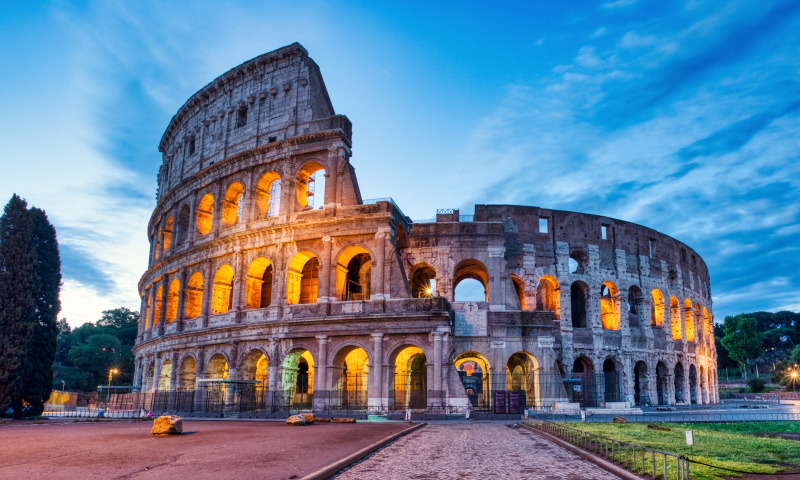
Colosseum
The Colosseum is a gigantic amphitheatre in which gladiators fought each other or wild animals in Roman times. You can visit the stands, the arena and the underground areas.
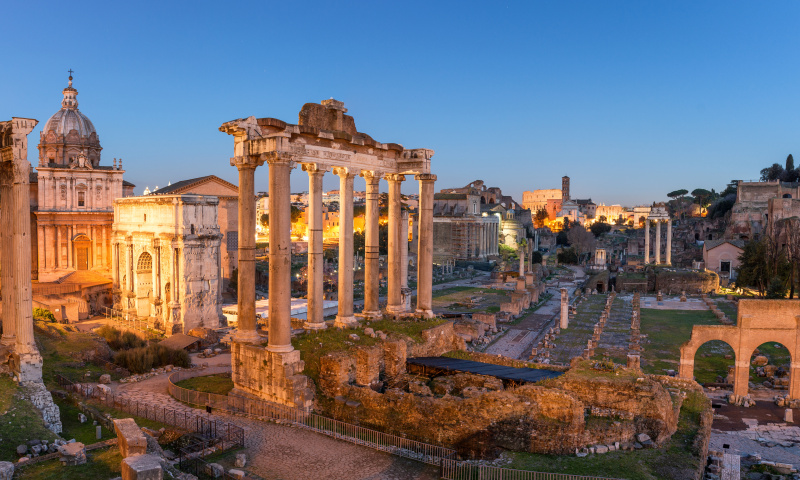
Roman Forum & Palatine Hill
The Roman Forum was the centre of political, economic, cultural and religious life. In this archaeological park you can discover ancient temples, triumphal arches, market halls and other Roman excavations. Next door is the Palatine Hill, with the excavations of imperial residences
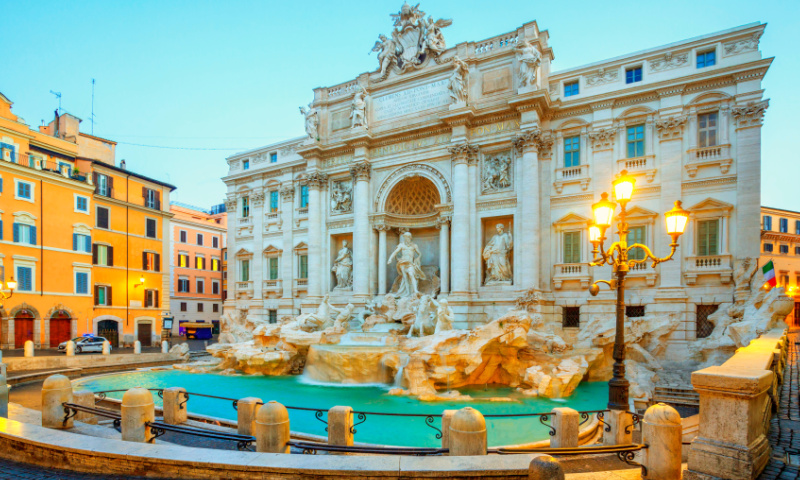
Trevi Fountain
Probably the most famous fountain in the world. Traditionally you throw a coin into the fountain, because whoever throws it will return to Rome. This baroque fountain shows Neptune riding out towards the sea.
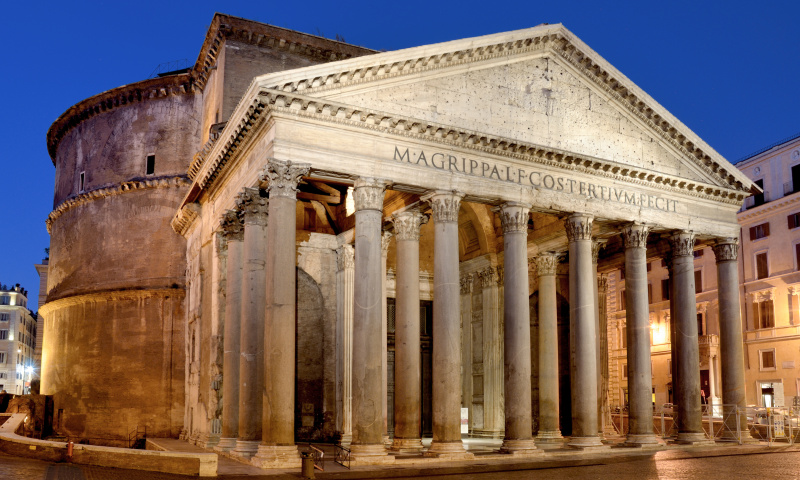
The Pantheon
What purpose the best-preserved building of ancient Rome served at the time is still not clear. Emperor Hadrian gave the building to the Pope in 608. Here you can see a number of special tombs and a strikingly large open dome (oculus)
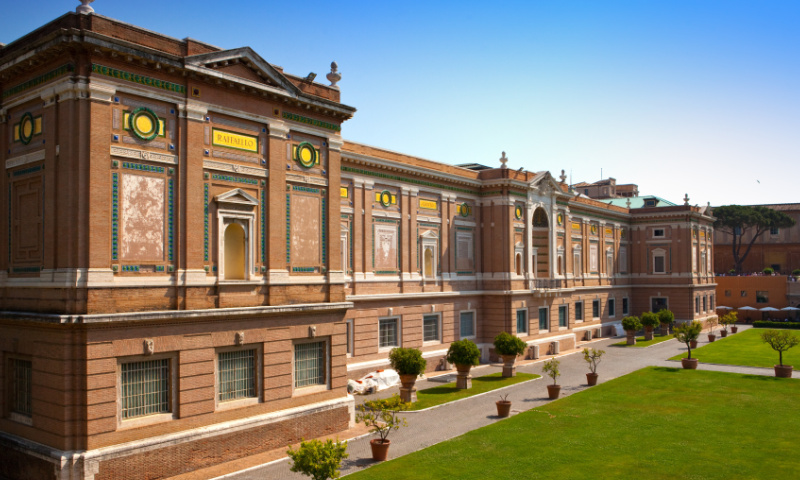
Sistine Chapel & Vatican Museums
In the Vatican Museums you can view an art collection in 54 lavishly decorated halls, including Roman objects, religious relics and numerous paintings. This art collection was built up by the popes over centuries. The highlight is without doubt the Sistine Chapel with its wonderful paintings by Michelangelo.
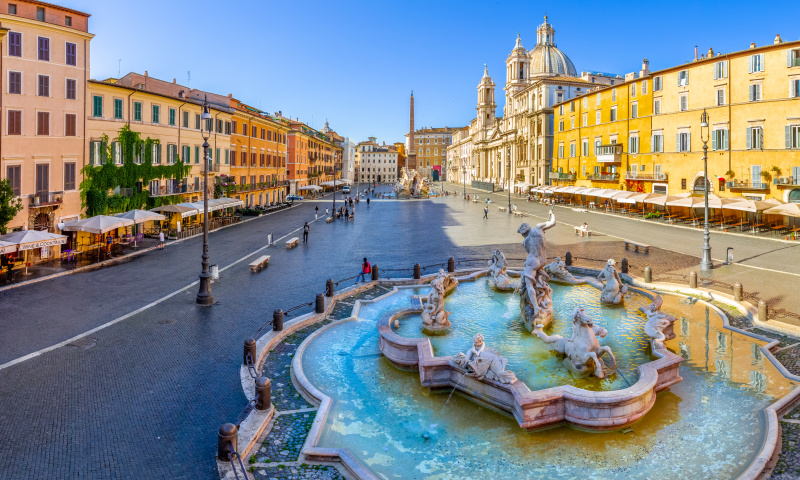
Piazza Navona
Without doubt one of the most striking squares in Rome. The square owes its elongated shape to its original function as an athletics stadium in ancient Rome. Today you can see several fountains and a striking obelisk there, and you can visit the excavations of the old stadium
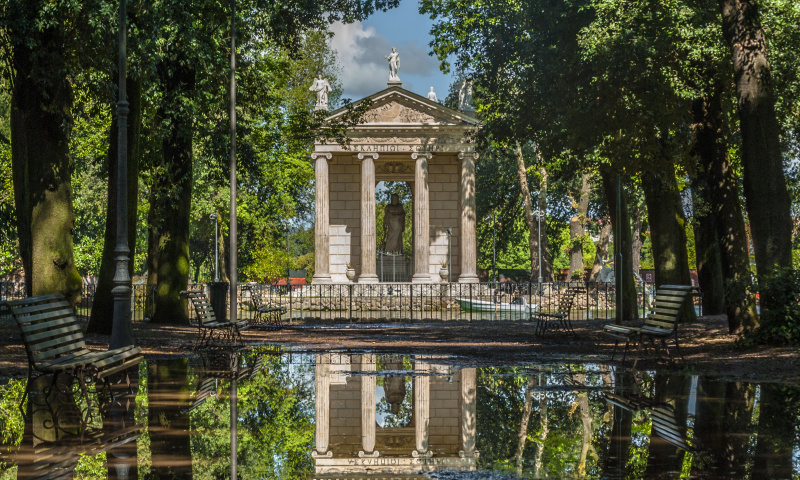
Galleria & Villa Borghese
This park once belonged to Cardinal Scipione Borghese and was built around the villa of the same name. It is the largest and most beautiful park in Rome and is used as a public park. The Galleria Borghese houses a museum exhibiting Borghese’s private art collection.
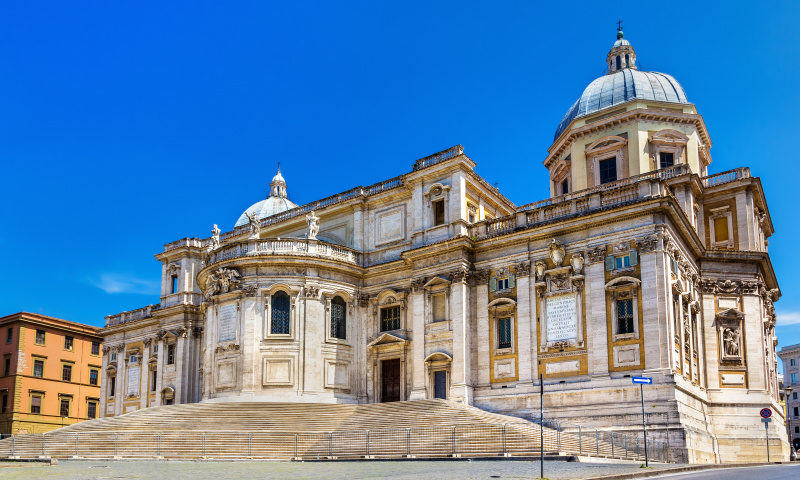
Basilica di Santa Maria Maggiore
The largest church of Mary in Rome dates from the 5th century and still contains many mosaics and a striking golden ceiling. It is one of the four papal basilicas, and it is rumoured that splinters of the manger of Jesus lie under the altar.
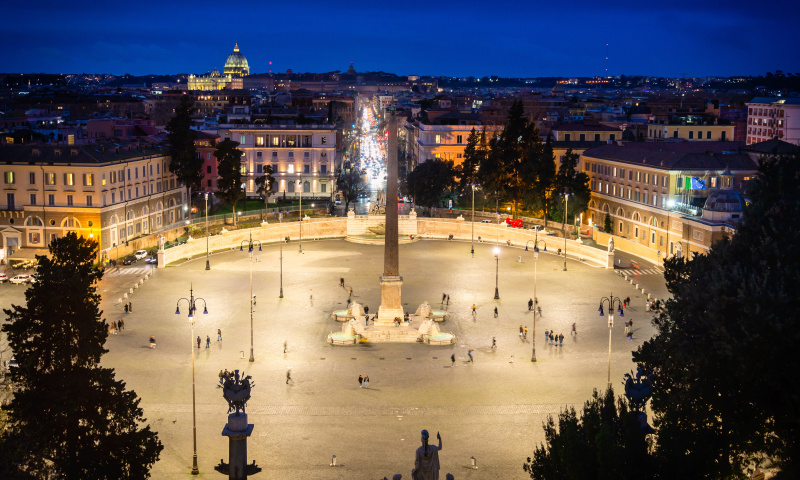
Piazza del Popolo
The square dates from the 19th century and was originally intended as an entrance for visitors to the city arriving from the north. You will find an Egyptian obelisk, the city gate Porta del Popolo and two identical churches built opposite each other. From there you can climb the Pincio hill to look over the whole square and beyond
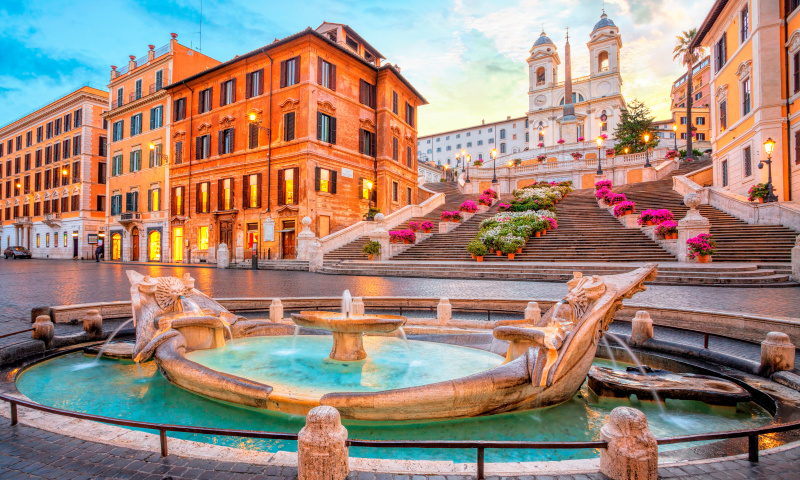
Spanish Steps
The staircase from the 18th century with its 135 steps lies at the foot of the French church Trinità dei Monti and has developed into a tourist hotspot. From the top you have a fantastic view of the city of Rome. At the foot of the steps is a fountain by Bernini
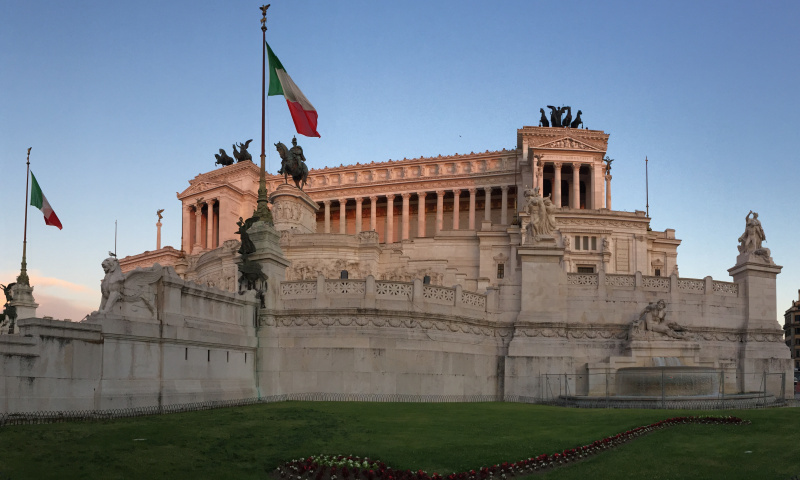
Monumento a Vittorio Emanuele II
One of the most striking buildings in Rome and the monument to the first Italian king, Vittorio Emanuele II. It commemorates the unification of Italy and houses, among other things, a museum and the Tomb of the Unknown Soldier.
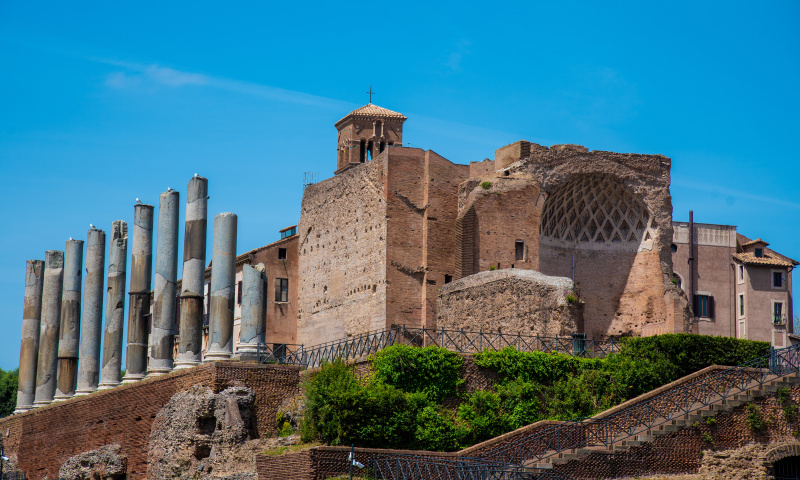
Domus Aurea - Nero's "Golden House"
These are the excavations of Nero’s Golden House. On a guided tour you can use VR glasses to see what the huge palace must have looked like. Intensive restoration work is still under way here, so visits are only possible to a limited extent
Most visitors to Rome arrive by plane, as it is often the simplest and cheapest option. Rome has two airports, Rome-Fiumicino and Rome-Ciampino. As both airports are outside the city, you need to allow for a transfer
Travelling to Rome by train is especially interesting for Austrians, Swiss and possibly southern Germany. From Innsbruck you can be in Rome in about 6 hours. Advantage: Termini station is Rome’s terminus and, with good metro connections, lies right in the city centre.
If you want to travel to Rome by car, you should book either a hotel with parking or a space in a car park in advance. Rome’s roads are chronically congested and parking spaces are rather scarce. If you want to travel to Rome in a relaxed way, travelling by car is therefore rather inadvisable
